
Vehicles 100 years and older typically fall into the antique class and this includes the "Brass Period car" that are defined by the Horseless Carriage Club of America (HCCA) as "any pioneer gas, steam and electric engine vehicle built or made previous to January 1, 1916. "
The "classic" expression is usually applied loosely simply by owners to the car.
Legitimately, most states have time-based rules for that definition associated with "historic" or "classic" with regard to purposes such as antique vehicle registration. For example, Maryland defines historic automobiles as 20 calendar many years old or older and they "must not have been substantially altered, remodeled or even remanufactured from the manufacturers original design"[3] while West Virginia describes motor vehicles made in least quarter of a century previous to the particular current year as eligible for "classic" car permit plates.
Despite this, from many American classic car shows, automobiles typically range from the 1920s in order to the 1970s. Recently, several 1980s and even earlier 1990s cars are regarded as being "classic automobiles". Good examples of cars at such shows include the Chevrolet Bel-Air, Ford Model Capital t, Dodge Charger, Ford Deuce Coupe, and 1949 Ford. Meanwhile, the Concours d'Elegance car shows feature renowned automobiles including the Cadillac V16 or pre-1940 Rolls-Royce models. There are also phrases as "modern customs", "exotics", or "collectibles" that include cars for example the AMC Gremlin or Ford Pinto.
There are dissimilarities within the actual identification of a "classic car". Division by separate eras include: horseless carriages (19th-century experimental automobiles like the Daimler Motor Carriage), vintage cars (brass era vehicles including the Ford Model T), and classic cars (typically 1930s cars including the Wire 812). Some also consist of muscle cars, with the particular 1974 model year since the cutoff.
The Traditional Car Club of America describes a CCCA Classic as a "fine" or "distinctive" automobile, either American or foreign built, produced between 1915 and 1948.
The CCCA is dedicated to the preservation and pleasure of select cars that will "are distinguished by their respective fine design, higher engineering standards and superior workmanship. "Other differentiating factors -- including engine displacement, customized coachwork, and luxury add-ons for example power brakes, strength clutch, and "one-shot" or even computerized lubrication systems -- help determine whether the car is considered a CCCA Classic.The cars on their particular list "represent the peak of engineering, styling and design for his or her era. "
Any CCCA member may petition for the vehicle to join the list. Such applications are cautiously scrutinized, but rarely is really a new vehicle type accepted. Moreover, no commercial vehicles such as hearses, ambulances, or race cars are usually accepted being a Full Classic.
The CCCA maintains this particular definition of "classic car" and uses words this kind of as CCCA Classic or the trademarked Full Classic. The CCCA has estimated that 1, 366, 843 "American Classics" were built
There is no fixed definition of the classic car. Two taxation issues do impact nevertheless, leading to some men and women using them as cutoff dates. All cars built before January 1, 1976, are exempted from paying the yearly road taxes vehicle excise duty. This is then entered on the licence disc displayed upon the windscreen as "historic vehicle" (if a car built before this day has been first signed up in 1975 or later, then its build date would have to end up being verified with a recognised entire body such as British Motor Heritage Foundation to declare tax-free status). HM Income and Customs define the classic car for business taxation purposes as getting over 15 years aged and having a value in excess of £15, 000.[15] Additionally, popular acclaim through a sizable number of classic car magazines plays a crucial role in whether or not a car comes to be regarded as a traditional.
It is all very subjective and a matter of opinion. The elimination of depreciation is a reason for buying a classic car; this is a major price of owning a modern car.
Picking 'future classics' that are present 'bangers' is a pastime of individuals into classic cars in the united kingdom. Successfully picking and buying you can cause the profit for the purchaser as well as providing transport. An immaculate properly cared for prestige model with high running costs that impacts its worth, but is not however old enough to end up being regarded as a classic, can be a good purchase, for example
Related Images with Showing results 1 10 out of 35,600,000 for cool old cars for sale
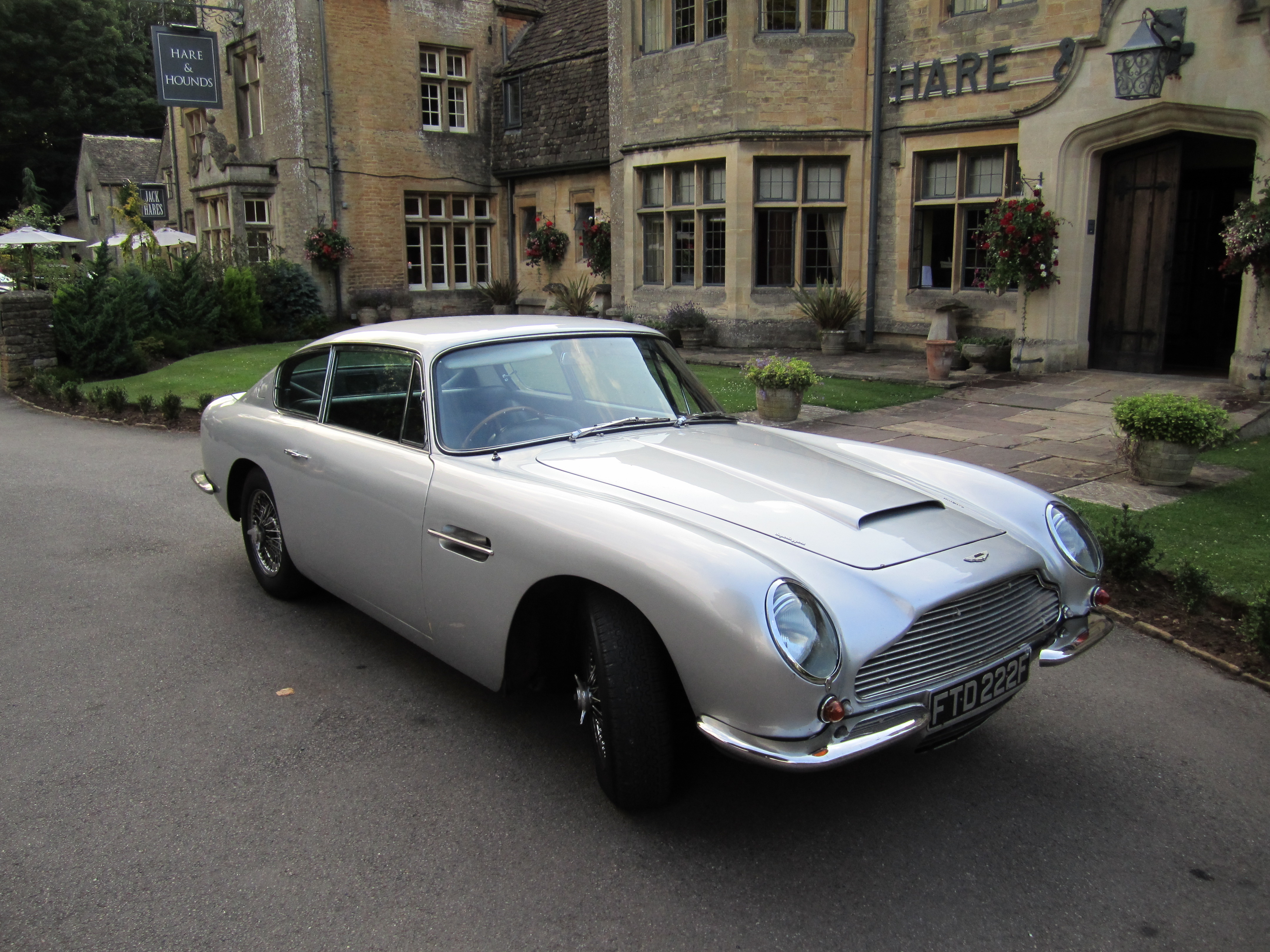
British Auto Legends ClassicCarsDriven.com
Vintage amp; Classic Car Club of Pakistan VCCCP Motor Show

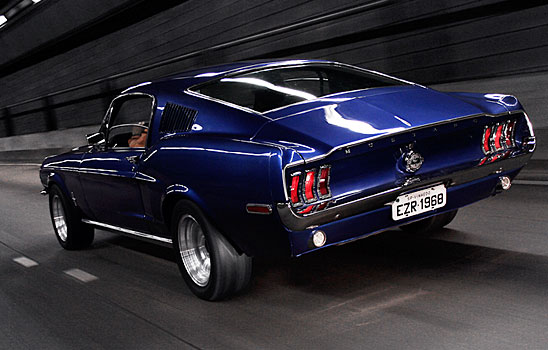
they re low they re fast they re classics they re the hot rods the

HDcar Wallpapers is the no:1 source of Car wallpapers.

Tidak ada komentar:
Posting Komentar